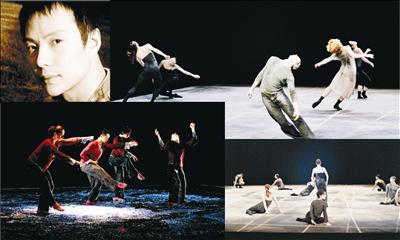
〔時報專訪〕由聖路易舞蹈藝術專業組織Dance St. Louis主辦,密蘇里藝術委員會(MAC),美中藝術聯盟(MAAA)等協辦並與聖路易時報合作,邀得享譽國際,有現代舞壇「完美主義典範」之世界知名舞集“沈偉舞蹈藝術團”於3月9日、10日(周五,周六)晚間八時,在聖市密蘇里大學Touhill 藝術表演中心可容納千人之表演正廳舉行兩場跨文化,跨媒介,新視野之舞蹈演出。「沈偉舞蹈藝術團」盛大公演全版廣告請見聖路易時報內頁。公演預售票即日起開始,票價為$25-$43,學生及耆老優待票價$22-$40,凡聖路易時報讀者電話訂票皆可享受八折優待,訂票專線:Dance St. Louis 314-534-6622,這將是聖路易地區首次國際級之現代舞舞集演出,敬請把握機會,親睹令人目眩神迷之舞蹈藝術大同新世界。
在Dance St.Louis安排下,聖路易時報於2月23日以電話專訪目前人在加拿大蒙特律排舞之國際巨星沈偉,這位享譽國際,為美國現代舞壇注入中華文化、改寫歷史的舞蹈藝術家,在15分鐘的專訪談話中展現了他儒家思想謙沖為懷的人文氣質和出類拔萃,世界宏觀的舞蹈意念,以下是專訪實錄:
〔時報〕感謝您和舞團的來訪和演出,聖路易地區這是第一次有由中國人領導的國際級舞團蒞臨演出。此間的藝文界和僑學界都帶著興奮和期盼的心情迎接您們的來到。
〔沈偉〕謝謝大家的關懷。聖路易是美中西區一座古老又有歷史的城市,我們一直想來這裡表演並和這裡的朋友見面,我們現在的檔期已排到2009年,但是我們一直沒有忘掉聖路易,這次透過Dance St. Louis的安排,我們終於有機會來了。
〔時報〕您現在人在哪裏,行程安排如何?
〔沈偉〕我們整個舞團現在在加拿大蒙特利與這裡的舞蹈節單位排舞和准備演出。我們預計周四(3月8日)飛到聖路易,9日,10日演出兩場後,11日禮拜天就要在飛回加拿大。
〔時報〕這次舞團將有多少人到聖路易演出?
〔沈偉〕我們這次共有13人到聖路易演出,除我之外還有兩位中國舞蹈演員在內,舞團裏的美國舞者是在美國本地發掘的舞蹈人才,中國舞者是我在訪問中國時,在中國發掘的舞蹈人才,大家都以無比興奮的心情准備在聖路易的演出。
〔時報〕請您介紹一下這次聖路易演出的舞劇劇目
〔沈偉〕在聖路易的演出中,我們將演出兩個劇目,分別是「春之祭」(Rite of Spring和Re-,(編按:春之祭是沈偉最有名的作品之一),Re-在英文的意思是有重複,再一次,磨練的意思。目前還沒有中文的翻譯。
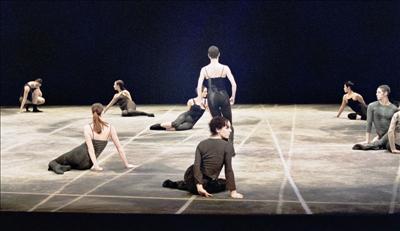
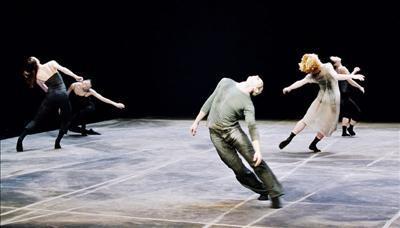
「春之祭」舞劇全程在一個13公尺和14公尺的巨幅畫作上演出,將這齣20世紀初期的經典舞蹈和史達拉汶斯基音樂作了歷史改寫,本來音樂背景是一個少女被選為犧牲品的悲劇,但是我選取了曲中的旋律和節奏,創作了一個完全不同的「春之祭」,當選定了數種與音樂性質相符的體位系統和動作意念後,這些具體素材是探索動作的基礎,也構成舞中各種動作,如延留、軸心轉移、動量、旋轉、旋體等,而關節、肌肉、神經的牽動也經過深入的探索。
「春之祭」的表演舞者使用了“數學般精確”的形體語言和超出尋常限度的肢體動作,迸發出激情,行雲流水般,一氣呵成。
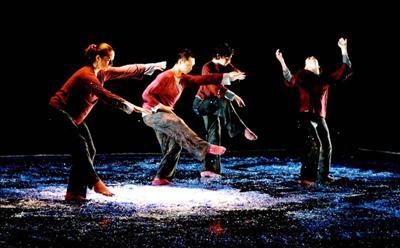
「Re-」是一齣融東方風情和宗教色彩之細膩專注舞蹈,我曾經去過西藏兩次。這支舞蹈音樂采用的是西藏的單人吟誦(Chants),舞者相較於「春之祭」而更為保守與內斂,有許多肢體末端放鬆之平衡與重心轉移,觀眾可以看到更多舞者表演和編舞巧思的機會。
「Re-」舞蹈在舞臺上使用西藏喇嘛之「曼陀羅」、一種鮮艷有宗教色彩的西藏沙畫作背景,舞者舞動時,細沙附身而舞,正如同修行人之真誠磨練,而沙畫則是一種謙誠的意念,我以舞者和修行人的舞蹈和吟誦演繹宗教的祈禱,使整個舞劇更加詳和(Peaceful),而“和平”不正是我們的期望嗎?
〔時報〕謝謝您的解釋,「春之祭」非常有名,而「Re-」這齣舞更是有意境,在聖路易的偉伯斯特大學,每年都會請西藏喇嘛到校園展示「曼陀羅」沙畫藝術,結束後並將沙畫流放到密西西比河為聖路易祈福,聖路易的觀眾對「曼陀羅」沙畫藝術並不陌生。
〔沈偉〕很高興知道西藏「曼陀羅」沙畫藝術在聖路易的文化背景,相信觀眾會瞭解喜歡「Re-」這個舞劇。
〔時報〕您九歲開始學習中國戲曲,請您談談中華傳統文化對您的影響。
〔沈偉〕我出生於中國湖南,自小承襲京劇科班出身父母親的遺傳,九歲開始學習中國戲曲,在戲曲學院接受科班傳統訓練,繼而加入湖南湘劇團,我在16歲時開始接觸學習國畫,書法和西方繪畫。中華的傳統藝術文化深植在我的心中,書法的氣韻和舞蹈的韻律往往能自然的結合在一起,到了美國以後,文化上的互通和相容更讓我能提煉出中國傳統藝術的元素,融入現代舞作品之中,創造一個世界共通的舞蹈藝術語言。
〔時報〕您來到美國13年,成為紐約世界藝術之都現代舞蹈巨星,您最大的感想是什麼?
〔沈偉〕我最大的感想是“人生唯有不斷的學習”,在我出國後可以說是眼界大開,因而我一直都在學習中,學習新的事務,學習新的觀念,像這次我到加拿大和當地的舞團編舞練舞,也讓我有了新的學習機會。世界之大,渺小如我,無論在文化上,藝術上,我都一直抱著學習的態度充實自己,而將最好、最美的成果呈現在舞臺上觀眾前。
〔時報〕謝謝您接受時報的專訪,與您談話如沐春風,祝您和舞團在聖路易的演出成功,我們3月Touhill Center見!
〔沈偉〕謝謝時報和大家的關懷和愛護,我們3月Touhill Center見!
SHEN WEI DANCE ARTS
About the Company
Hailed by the New York Times as "startlingly imaginative," Shen Wei Dance Arts seeks a new approach to movement and the body for both performer and audience. Each work develops an original physical vocabulary based on movement research. The choreography, at turns representational and abstract, incorporates Eastern and Western aesthetics and strong scenic elements to create a painterly, hybridic mise-en-scene. The result is a "fascinating fantasy in movement?Sydney Morning Herald).
In the six short years since its inception, the company has assumed a position among the top tier of dance ensembles worldwide. In addition to repeated engagements at the American Dance Festival, Lincoln Center Festival and the Venice Biennale, Shen Wei Dance Arts has appeared in renowned festivals in the U.S. and around the world, from Spoleto to Jacob's Pillow, from Montpellier to Hong Kong to Sydney. The company received the 2005 Helpmann Award for Best Ballet or Dance Work, presented by Sydney Festival in Association with Sydney Opera House. In September 2006, the company premiered "Re-?(Part One) at the Joyce Theater in New York City, and in 2007, it will initiate a five-year residency at the Kennedy Center in Washington, D.C.
Selected engagements include: American Dance Festival (2000-2006), Lincoln Center Festival (2003-2005), Jacob's Pillow (2004 & 2006), the Kennedy Center (2001 and 2005), Dorothy Chandler Pavilion in Los Angeles Music Center (2004), Zellerbach Hall/CalPerformances (2004), Dance Umbrella & Sadler's Wells in London (2004), La Biennale di Venezia (2004 & 2005), Israel Festival (2004), Het Muziektheater/Amsterdam (2003 & 2005), Sydney Festival (2005), Esplanade in Singapore (2005), Movimentos Festival/Germany (2005), Montpellier Festival/France (2005), Melbourne International Arts Festival(2005), Les Grands Ballets Canadiens de Montreal (2006), MODAFE in Seoul, Korea (2006), and Hong Kong New Vision Festival (2006).
This year, the company will perform at leading halls on four continents, including the Barbican Centre in London, Het Muziektheater in Amsterdam, Disney Hall in Los Angeles, Lincoln Center Festival in New York, as well as in Mexico City, Rio de Janeiro, and Shanghai.
PROGRAM NOTES
RITE OF SPRING
When I first heard Stravinsky's The Rite of Spring in China in 1989, I was enthralled by the score's rich, evocative texture. Over the next twelve years, I continued to develop a creative interest in the piece, finally beginning in-depth research on the music in early 2001. I was further inspired when I heard Fazil Say's performance of the two-piano version. Committed to the challenge of creating an innovative work set to this extraordinary musical work, I brought the company into the studio in the Fall of 2001.
The Stravinsky score is constructed with both technical complexity and narrative passion. However, in keeping with my interest in abstraction, it is only the melodic and rhythmic qualities of the music, rather than the story it tells, which inform the choice of movement vocabulary. After listening closely to the score, I identified several body systems and movement ideas that matched the quality found in the music. These physical elements formed the basis for movement investigation and construction: suspension, center-shifting, momentum, spirals, rotations and joint, muscle, and nerve initiations were explored.
These explorations generated new movement, highlighting the importance of initiating movement with clarity, specificity, and integrity. I began by asking the dancers to develop and play with different choreographic strategies. Through a series of structured improvisations and movement research, these strategies were more finely tuned. For example, in one section of the work, the performers play with how the movement or spatial choice of one dancer affects the choices of all the other dancers in the space. The piece in its final form is a set structure within which there is a balance between movement exactitude and movement intuition. As in unstaged life, alongside that which is definite, there will always exist the coincidental, the uncontrollable, the chance happening.-Shen Wei (2003)
RE- (Part I)
Re- (Part I) is broadly based on the feeling of the land, the people, the religion and the culture of Tibet that I gained from my recent journeys there.
-Shen Wei
Ani Choying Dolma's recordings of Traditional Tibetan Chants with Steve Tibbetts may be found at www.Choying.com and www.Frammis.com.
Shen Wei (Artistic Director and Choreographer) Choreographer, dancer, painter and designer, Shen Wei was born in Hunan, China. He studied Chinese opera from the age of nine. From 1984-1989, he worked with the Hunan State Xian Opera Company. From 1991-1994, he was an original member珳ancer and choreographer𤤖f the Guangdong Modern Dance Company, the first such modern dance company in China, with which he appeared in festivals in Korea, China, Hong Kong, Singapore, and India. After receiving a scholarship from the Nikolais/Louis Dance Lab, Shen Wei moved to New York City in 1995.
Prior to forming Shen Wei Dance Arts in 2000, his work was presented at the American Dance Festival (1995), National Theater of Taiwan (1996), The Place Theater in London (1997), The Asia Society in New York (1997), Stockholm Dance House (1999), Brighten Arts Festival (2000), the Edinburgh Festival Theater (2000), and the Germany Millennium Moves Festival (2000). As a guest artist, he performed in four works by Martha Clarke.
For the past six years, Shen Wei Dance Arts has toured throughout the United States and Western Europe, and in Australia, Israel and Singapore. For each dance and opera work choreographed for his company, Shen Wei also creates the sets, costumes, and make-up designs. The remarkable performance space might be described as a canvas...a landscape...a parallel universe. The New York Times described Shen Wei's vision as "painterly, mathematical and idiosyncratic. ... This is imagery and conceptualism with a difference.?
He has received numerous awards. In China, he won first prize for both choreography and performance at the 1994 Inaugural National Modern Dance Competition. In the United States, he received a fellowship from the New York Foundation for the Arts in 2000, and in that same year the American Dance Festival's Ben Sommer Fellowship. He received a John Simon Guggenheim Fellowship in 2001, and he won the Nijinsky Award for Emerging Choreographer in 2004 and the Australia's 2005 Helpmann Award for Best Ballet or Dance Work. He has received commissions from the American Dance Festival (1995, 2000- 2006), Het Muziektheater Amsterdam, Lincoln Center Festival (2005), Alvin Ailey Dance Theater II, Dances We Dance Company of Hawaii, the Margrit Mondavi Center for Performing Arts at the University of California, Davis, and the Guangdong Modern Dance Company. His dance opera work, Second Visit to the Empress, has received commissions from the American Dance Festival, New York City Opera, and the Het Muziektheater Amsterdam.
As a visual artist independent of the dance company, Shen Wei is a painter, designer, and filmmaker. His paintings have been exhibited in New York and Hong Kong; a series of paintings created in conjunction with his ballet Rite of Spring were first exhibited as part of the company's New York debut at the Lincoln Center Festival in 2003.
Shen Wei is currently completing Re- (Part II) for Les Grands Ballets Canadiens de Montr嶧l, which premieres in Montreal on March 15, 2007.
|