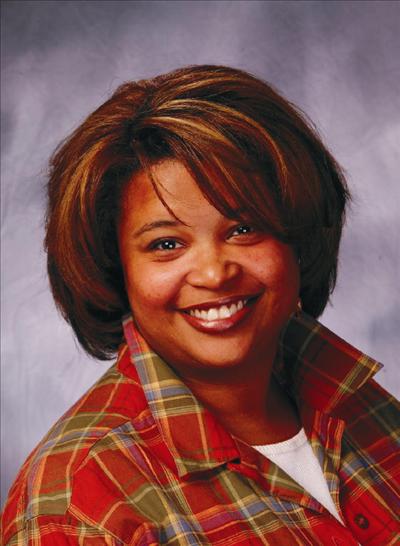
RepresentativeMaria Chappelle-NadalDistrict 72February 28, 2008
Dear Friends and Neighbors,
There is no denying that the condition of this country's economy is unfortunate and worsening. In recent polls taken in more than thirty different precincts across Missouri, Democrats rated the economy as either "not good" or "poor"; whereas, 75 percent of Missouri Republicans noted that the economy was "poor." Obviously, the vast majority of Missourians believe the economy is going downhill and regard this as their main concern.
The Federal Reserve lowered its projection for economic growth this year, citing damage from the double blows of the housing slump and credit crunch. Oil prices are reaching record highs and financial markets are worsening. On top of the already wobbly economy, some Missouri state legislators are striving to pass overly restrictive legislation that targets immigrants. For example, a recent bill would force landlords to figure out every tenant's immigration status and would impose severe penalties for renting to people who are found to be out of status. In recent committee meetings, I have voiced my concern for the consequences of overly intrusive state regulation of immigration.
Towns and cities across the country are beginning to realize the effects of laws which are severely straining local economies. Local hair salons, restaurants, and grocery stores that once catered to immigrant families are seeing business plummet where extreme legislation has been passed and many businesses have been forced to close. Legal bills are piling up, costing governments tens of thousands of dollars, and some towns have already repealed the ordinances.
Federal law already strictly prohibits the employment of unauthorized workers, and in the past few years enforcement has dramatically increased. But some states, including Arizona and Oklahoma, have passed their own laws piling on additional penalties. Some of these laws have had their desired effect, driving immigrants to other states. But while this mass departure has its supporters patting themselves on the back, state and national businesses maintain that these laws are harming not only industries that use a high percentage of immigrant labor but also establishments that rely on immigrants for their customer base.
These laws are being proposed and passed based on elected officials' claims that immigration has a negative impact on the economy, but economists overwhelmingly agree immigration is positive for the economy. Studies consistently show that when immigrants spend money on goods, services, and housing, they not only create new jobs but also provide federal, state, and local governments with additional revenue through sales, income, business, social security, and property taxes. Passing overly restrictive legislation has proved throughout the country to be harmful to already lagging local economies and in time will prove detrimental to the nation's economy as well. Those who label immigrants as freeloaders and economic liabilities like to cite "data" drawn from biased anti-immigrant groups who pick and choose from information with a preconceived opposition to immigrants in the United States, and by blaming non-naturalized immigrants for community problems, elected officials can avoid accountability for poor service. Studies from the Immigration Policy Center out of Washington D.C. show that, opposed to what many accept as factual:
* Immigrants are a net fiscal benefit to the U.S. economy.* Immigrants use relatively few federal or state public-benefit programs because they are ineligible for most of them.* Immigrants do not strain the U.S. healthcare system.* Immigrants pay more in taxes than they consume in public benefits.* Undocumented immigrants are taxpayers, too.* Immigrants-legal and undocumented alike-contribute to the Social Security system, even though undocumented immigrants do not receive the benefits when they retire.* Immigrants climb the socioeconomic ladder.* Immigrants create jobs.* Immigrants are a driving force in the housing market.
In reference to immigrants paying more into public services than they receive in benefits, reports have stated that rather than draining state resources, undocumented immigrants are in some cases subsidizing services that only documented residents and citizens can access. The Social Security Administration has concluded that undocumented immigrants "account for a major portion" of the billions of dollars paid into the Social Security system, payments from which undocumented immigrants cannot benefit while undocumented. In addition, between one-half and three-quarters of undocumented immigrants pay federal and state income taxes, Social Security taxes, and Medicare taxes. All undocumented immigrants pay sales tax when making purchases and property taxes. "People in many towns are now weighing the social, economic, and legal costs of pursuing these ordinances," says Muzaffar A. Chisti, director of the New York office of the Migration Policy Institute, a non-profit group (New York Times, September 26, 2007). Increasingly harsh state and local laws that pile additional punishment onto already substantial federal penalties, or which prohibit landlords from renting to undocumented immigrants, even when there are U.S. citizen children in the same household, are just other ways of blaming immigrants for problems that are entirely unrelated to their presence in this country.
Policy-makers need to be mindful of not only the short-term effects of these types of legislation, but also the long-standing outcomes that will continue to affect our nation for generations to come. Many of the issues which are vitally important to our society intersect, and during these times of economic crisis, we must all be aware of the far-reaching implications of legislation that may seem to improve certain aspects of society as it hinders and damages others. We must also be aware of distorted information and selective data which deceptively misinform the public. We are all struggling at our relative levels, therefore our local, state, and national leaders have to be smart and aware of the consequences of overly restrictive legislation. Society as a whole and our elected officials must be humane, respectful, and conscious in our decisions and policies. At the very least, we should expect them not to make a bad situation worse. |