【時報訊】有傳言表示,聖路易正在失去它作為商業中心身份,是時候該澄清這個傳言了。事實上,聖路易地區的資本運作的良好且生機勃勃。標準蒲耳500種股票價格綜合指數自1999年12月31日已下降了近三分之一,然而在最近這十年裡,聖路易的12個最大上市公司,市場價值卻上升了百分之六十。
與九年前不同,當今資本的分配模式已經發生了變化。十年前,我們地區的12個最大公司上市股票市場價值總額約為1,000億美金, 從那時起,其中的五家公司-Anheuse-Busch, May Department Stores, Ralston Purina, A.G.Edwards 和Mallinckrodt則被其他公司所收購。
雖然這五家公司如今的資產總額為550億美金,已經不再名列我們城市的前十二名,但是我們應該將目光放在那些取代了它們的新的企業身上。僅拿新成立的Monsanto一家企業來說,市場價值就達到了460億美金,它的運作模式為我們地區資本積累歷史翻開了新的一頁。再加上Express Scripts, Peabody Coal, MEMC, Arch Coal, Energizer及Ralcorp等公司,你會發現這七家公司如今的累計資本總額已達到846億美金。
這些企業的存在印證了十九世紀經濟學家Joseph Schumpeter所提出的“創造性破壞”動力學發展理論,資本主義制度便建立在這一理論上。發生在我們城市的變動證實:通過公司企業的新舊更替,資本將持續不斷地被再次分配。
在過去的十多年裡,聖路易地區的市場由一些發展緩慢的行業,如本地啤酒釀造業和百貨公司等,逐漸被與農作物遺傳、非石油燃料以及醫療保健相關的行業所替代。最具有代表性的要數Ralston Purina曾經的下屬公司Ralcorp與Energizer的發展。
Ralston Purina主營寵物食品業,於2001年以近100億美金的價格被雀巢集團收購。然而從那時起,該公司的前下屬公司Energizer,以電池業起步,逐步擴大其經營範圍,並成功收購了Schick和Playtex公司。Ralcrop也在同一時間經歷了同樣的資本積累過程,並于最近成功從Kraft公司手中收購Post Cereals。上述的兩所企業資產總額加起來共有73億美金,比其共同的母公司Ralston Purina在十年前的資產總額還要多百分之十五。聖路易地區這十二家最大的公司佔據了該地區全部公共市場價值的絕大部分。雖然總體的股市價值在下降,但由於這些公司的成功帶動了聖路易地區商業的發展,聖路易地區的公司在股票市場上所佔有的市場份額增加至原先的兩倍。
毫無疑問,這種“創造性破壞”會繼續下去,整個地區化經濟也會繼續進行資本再次分配。聖路易雖然失去了曾經引以為豪的幾個大型企業,但是從另一個角度看,我們同樣收穫了很多。
St. Louis' share of public companies not shrinking
It's time to debunk the myth that St. Louis is losing its stature as a corporate headquarters city.
The truth is, capitalism here is alive and well. The 12 largest publicly traded companies headquartered in St. Louis have increased their market value about 60 percent since the beginning of this decade. By comparison, the S&P 500 is down about a third from its close on Dec. 31, 1999.
What is different today from nine years ago is where and how capital here is allocated.
As the decade began, our region's 12 largest companies had a stock market value of about $100 billion. Five of those companies-Anheuser-Busch, May Department Stores, Ralston Purina, A. G. Edwards and Mallinckrodt-have since been sold.
These five companies, worth about $55 billion today, may be gone from our city's Top 12, but consider the companies that have joined or moved up the list to take their places.
The "new" Monsanto alone-an extraordinary story of wealth creation and the most valuable company in our region today by far-has a market value of $46 billion. Add to that Express Scripts, Peabody Coal, MEMC, Arch Coal, Energizer and Ralcorp, and you'll find seven companies that are today collectively worth about $86.4 billion.
These companies are all examples of what 19th century economist Joseph Schumpeter meant when he famously talked about the dynamics of "creative destruction,"the base of capitalism. Our city's experience provides proof of his theory that capital is continually reallocated, with some companies emerging as others are acquired.
Over the past decade, St. Louis has, in fact, traded slow-growth businesses, such as domestic beer and department stores, for more exciting markets involving plant and crop genetics, non-petroleum energy and health care.
One of our region's most remarkable examples of wealth creation is the growth of Ralcorp and Energizer, both spin-offs from Ralston Purina.
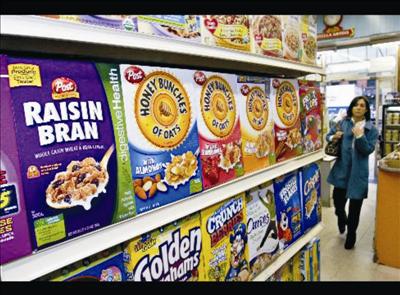
Ralston Purina, with its remaining pet food business, was sold to Nestle in 2001 for about $10 billion. Since then, Energizer, which started out as a battery business, has expanded into other major product lines by buying Schick and Playtex. Ralcorp, too, has made a number of acquisitions, culminating in its recent purchase of Post Cereals from Kraft. These two St. Louis companies have a combined market capitalization of $7.3 billion-15 percent more than their former parent Ralston Purina was worth at the beginning of the decade.
The region's 12 largest publicly traded companies represent the bulk of our aggregate St. Louis public market value. Thanks to their successes, our region has actually doubled its "market share" of the stock market with companies based here. That value has increased significantly over the last nine years, even as the overall stock market has declined.
"Creative destruction" will undoubtedly continue as the entire domestic economy undergoes a major repositioning. Yes, St. Louis has lost some major headquarters. But it's time we recognize what we've also gained.
|