|
 |
|
|
|
|
|
|
|
|
Issue: 1018 Date: 2/25/2010
|
|
由「陳探長」看上海 裘小龍為上海揭密
The Shanghai mystery
|
|
|
|
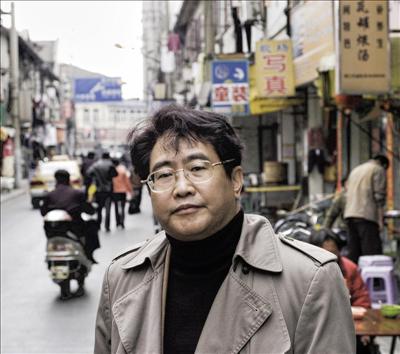 |
| Xiaolong bow Qiu likes a good xiaolongbao, like his Inspector Chen |
|
|
【時報訊】聖路易知名作家裘小龍以「陳探長」為主角之一系列偵探小說,故事均發生在90年代的上海,而上海許多經典及地方小吃如黃沛公園,南京西站小籠包等都在裘小龍的小說中出現。為此裘小龍接受上海雜誌2010年2月號專訪,為他的小說中出現的上海景點及小吃作出背景說明及解釋,讓人能再探上海之密,有關訪問詳情及文稿請見本期(第1018期)英文版。
裘小龍下一部「陳探長」系列小說「Don't Cry, Tai Lake」將於今(2010)年5月出版。
The Shanghai mystery
Qiu Xiaolong's six Inspector Chen crime thriller novels, which are set in 1990s Shanghai, are about the city as much as the poetry-quoting detective. He tells John Sunyer about the local places and traditions which have inspired his fiction
Huangpu Park'Huangpu Park regularly features in the Inspector Chen series. For example, Chen finds a mutilated body there in the Loyal Character Dancer (2002). There's also a flashback where the inspector studies English in the park. This is partly because I base large parts of my fiction on my childhood memories - I studied English in this park during the Cultural Revolution. In my school years, I read in textbooks that there was a sign in front of Huangpu Park saying 'No Chinese or dogs are allowed'. That's why it was used for patriotism education, though in recent years people have started to question the authenticity of this story. I also used to live near the Bund, so for a couple of years I walked here almost every morning to meet friends and practise tai chi. The area is symbolic of Shanghai - there's a real mixture of old and new China.'
Jingan Temple'In the Red Mandarin Dress (2007), Inspector Chen goes to a place based on Jingan Temple for inspiration and to help him with his murder enquiries. In the past, you could go there to think. And it didn't matter whether or not you were religious. But you can't do that today; it's become so materialistic and too much like a tourist attraction. The surrounding high-rises and shopping centres aren't good for the temple's harmony, and I don't understand how it can exist side by side with an area that's become so commercial.'
Mao memorabilia'The Dongtai Lu antique market in Luwan is the best for Mao memorabilia. In The Mao Case (2009), there are lots of references to Mao objects. In fact, it's my Mao little red book lighter which I refer to. I also have Mao watches, badges and posters. I particularly like 'ObaMao' stuff too - I have a bag with a picture of Barack Obama wearing the Mao army uniform; it's my favourite piece of Mao memorabilia. I bought it when I was last in Beijing, and was later told by someone in the street that it had been banned from being sold in shops because Obama was about to visit Beijing. So it might become quite collectable one day.'
Xiaolongbao'Inspector Chen has good taste in food - pork dumplings and soup are his favourites. It's not easy being a cop, so I have to give him something he enjoys. In The Mao Case (2009), Chen and Old Hunter like eating in traditional Chinese restaurants, which reflects my own taste. I don't enjoy eating at the type of luxurious and expensive restaurants that are now everywhere in Shanghai, and I'm not sure people of my generation like them much either. I remember going to small, local restaurants near to where I grew up on Shandong Lu in Huangpu district. Xiaolongbao is one of my favourites - you can still have good ones in the City God Temple Market or Yu Gardens.'
Nanjing Xi Lu'The main character (Guan Hongying) in Death of a Red Heroine (2000) works at the Shanghai Number One Department Store on Nanjing Xi Lu. It was the most popular store in Shanghai when I was writing the book. Guan Hongying worries that her youth is disappearing and that a fancy new department store will replace where she works as the trendiest place to go. This is exactly what's happened in real life; the status of the building has definitely changed. Young people who enjoy shopping will not go to the Shanghai Number One Department Store anymore. Instead, they'll go to Xintiandi, or modern shopping centres like Henglong and Zhongxing, which are also on Nanjing Xi Lu. So the storyline in this book has mimicked what's happened in real life. Because Shanghai is changing so quickly, some of the places I write about in the Inspector Chen series are already falling far behind the reality of modern Shanghai.'
The next installment in the Inspector Chen series, Don't Cry, Tai Lake, will be published in May. Each book in the series is available for 120RMB at Garden Books (325 Changle Lu, near Shaanxi Lu, 5404 8728).
By 56 Time Out Shanghai - February 2010
|
|
|
|


