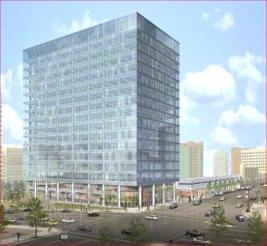
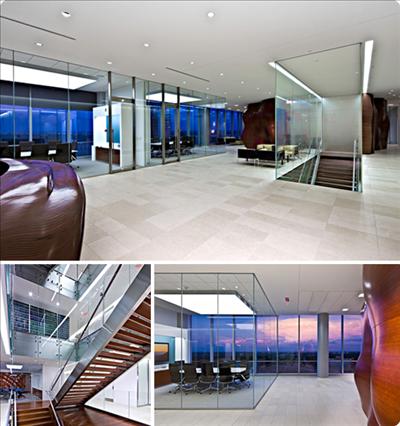
【時報訊】聖路易地區近十年來第一棟A級辦公樓位於Clayton市之Centene Plaza大樓即將落成,這棟17層高,總使用面積高答達48萬5千平方呎之大樓是本地區第一棟獲得LEED(環保節能設計)金牌之建築物。目前整棟大樓70%租予健保公司Centene公司及本地區第三大律師公司Armstrong Teasdal律師事務所。
Centene Plaza大樓座落在Clayton城區Hanley路與Forsyth路交口,它的特點之一,除了四面都是玻璃帷幕牆之外,更有一個「綠色屋頂」,這是聖路易地區最大的一個屋頂綠化植物層,在Centen Plaza最初設計時已包括在內。綠色屋頂使用雨水管理系統,節能省碳,獲得大都會區下水道區之核可。
整個綠色屋頂區佔地二萬平方呎,種有綠色植物及加蓋土壤,可以在每一吋降雨量中吸收至少三千一百加侖之雨水,並回復予大氣層落在屋頂之50%的雨水,不但可使地下水系統減輕負荷和雨水浪費,並可使屋頂結構及建築結構免於雨水量之威脅。
Centene Plaza boasts largest green roof in St. Louis metro area
St. Louis, MO, November 12, 2010 - Centene Plaza, located at Hanley and Forsythe in Clayton, is scheduled to be completed this month. Upon completion it will have bragging rights to the largest vegetative green roof in the St. Louis metro area. The green roof system was a part of the initial design for Centene Plaza. As the green roof is the main component of the storm water management plan for the property, approval from the Metropolitan Sewer District was required before construction could commence.
Centene Plaza will be the first class A office product brought to market in downtown Clayton, MO in just under a decade, and will be the region's first and only multi-tenant office that is Gold LEED certified. The development is a 17-story office tower with 485,000 square feet of office and retail space, a 972-space parking garage, and a public plaza destined to become central to Clayton's active downtown. The building is just under 70% pre-leased to managed care provider Centene Corporation and the area's third largest law firm, Armstrong Teasdale.
The green roof encompasses 20,000 square feet of soil and plant filled sacks called Green Paks, capable of diverting a minimum of 3,100 gallons of storm water from the city's combined sewer system per every one inch of rainfall. The project is slated to be certified by the United States Green Building Council as a LEED rated building. LEED is a point based system that awards credits for design elements that reduce energy and water consumption associated with the operation of the building, as well as awarding credits for reducing the consumption of natural resources; encouraging construction using reused and recycled materials. The green roof will absorb and return to the atmosphere over 50% of the rain water that falls on the building rather than allowing that water to rapidly enter the storm sewer drains. The use of green roofs and rain gardens marks a dramatic shift toward reducing storm water runoff at the source rather than continually upsizing infrastructure required to deal with ever increasing volumes of storm water.
Green Paks are manufactured by Green Roof Blocks (www.greenroofblocks.com), one of the pioneers of the North American green roof concept. Though initial focus was on commercial structures, Green Roof Blocks is now developing simpler green roof systems aimed at helping the do-it-yourselfers reduce their storm water runoff and their energy consumption. "While everyone loves the photos of the 10 acre green roof on the sprawling commercial building, the vast majority of the built environment is small commercial and residential" says Green Roof Blocks President Kelly Luckett. "The only way of making meaningful environmental impact through the green roof concept is to put green roofs on a significant percentage our buildings. We'll get there by developing green roofs that are lighter weight, simpler to install and maintain, and that are affordable for the masses."
|