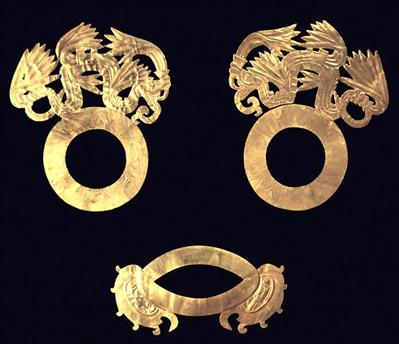
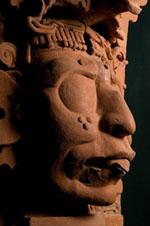
【時報訊】聖路易藝術博物館訂明年2月13日至5月8日,在主展覽廳舉行瑪雅藝術展,將展出超過90件,包括大型石雕、珠寶、玉石、黃金等藝術品,這些展覽品都是第一次在美國公開展出,讓人一窺古代瑪雅藝術之古文化氣息,尤其是這90件藝品展出瑪雅文化中加勒比海、墨西哥灣和太平洋水域之影響,顯現瑪雅文化在語言、數學、文化等古老歷史中之成就。
瑪雅文明(Maya Civilization),中美洲古代印第安人文明,美洲古代印第安文明的傑出代表,以印第安瑪雅人而得名。主要分布在墨西哥南部、危地馬拉、伯利茲以及洪都拉斯和薩爾瓦多西部地區。約形成於公元前2500年,公元前400年左右建立早期奴隸制國家,公元3∼9世紀為繁盛期,15世紀衰落,最後為西班牙殖民者摧毀,此後長期湮沒在熱帶叢林中。18世紀末開始引起學術界注意,19世紀末發掘一批重要遺址,開始了瑪雅文明的現代考古學研究。20世紀50年代後,研究進展較快,形成專門的瑪雅學,是世界考古學及歷史學研究的重要領域。
瑪雅文明的創造者瑪雅民族現在僅存三百萬,且印歐混血的比例在不斷攀升。瑪雅人目前大部分居住在猶加敦半島地區,很多人今日仍然能說瑪雅語系的語言。瑪雅從無一個統一的強大王國,整個瑪雅地區分成數以百計的城邦,然而瑪雅各邦在語言文字、宗教信仰、習俗傳統上卻屬於同一個文化圈。
瑪雅文明的發展階段,學者間說法不一。通常,中美洲(Mesoamericans)文明被劃分為三個時期,公元前1500年─公元300年稱為前古典期或形成期,公元300年-900年為古典期,公元900年-16世紀?後古典期。傳說瑪雅人在3000年前就開始建造宗教性建築,最早的遺蹟是由一些簡單的土墳所組成,後來才進一步演化為金字塔。早期的瑪雅文明似乎曾經受到更早的奧爾梅克文明(Olmec)的影響。奧爾梅克文明在將他們的文化傳播到今日的猶加敦半島以後,便衰敗滅亡。
公元前200年─公元800年左右是瑪雅文化最興盛的時期。瑪雅人在這地區發展了數百座城市,蒂卡爾(又譯提卡爾)(Tikal)是其中最大的一個,學者估計在最高峰時,此城有10∼20萬居民。他們發展成許多個農業密集的、城市集中的城邦。其中最為顯著的遺蹟是建於宗教中心的金字塔,和伴隨它們的皇宮。其他重要的考古學遺蹟還有雕刻石板(Maya語:Tetun),這些用象形文字寫成的石板主要描述宗譜,戰爭勝利和其他的成就。帕倫克(Palenque)是古典時代最美麗的瑪雅城市,以至人們甚至將它譽為“美洲的雅典”。另外一座著名的城市叫做科潘,從現代遺蹟的規模來看可以把蒂卡爾、科潘和帕倫克視為瑪雅文明古典時期最大的三個城邦。
公元九世紀開始,古典瑪雅文明的城邦突然同時走向衰落,這種現象多少讓人感到驚訝,其原因現在仍然是歷史學家研究的課題。到公元十世紀,曾經繁榮的瑪雅城市均被遺棄在叢林之中。
許多人認為古典時期(前200年到900年)瑪雅藝術在古代美洲文明中是最成熟和美麗的。帕倫克的雕刻和浮雕以及 Copan的塑像被認為是最完美的,展現了古典瑪雅人的優雅和准確的觀察力。現代人隻能從葬禮中的陶器來了解古典瑪雅的進階繪畫;另外在波南帕克(Bonampak)的一棟建築意外保存了古代壁畫。從一些瑪雅文獻中,人們發現瑪雅是少數文明中,藝術家會在他們的作品上署名的。此外,瑪雅人喜愛玉器,瑪雅的玉器非常精美,豐富。
St. Louis Art Museum Opens Exhibit Of Maya Art
ST LOUIS, MO.- The Saint Louis Art Museum announces the February 13, 2011 opening of Fiery Pool: The Maya and the Mythic Sea, a breathtaking exhibition that showcases more than 90 works of Maya art, many shown for the first time in the United States. The works on view are from Mexico, Belize, Honduras and Guatemala and reveal the ancient Maya people's powerful fascination with the seas around them.
"Fiery Pool marks the first traveling exhibition of Maya art to reach our halls," said Matthew H. Robb, assistant curator of ancient American and Native American art. "This exhibition offers a dynamic new perspective on the art of the ancient Maya by including everything from monumental stone sculptures to jewels of jade and gold."
The more than 90 works on view demonstrate the importance that the Maya placed on water, surrounded as they were by the Caribbean Sea, the Gulf of Mexico and the Pacific Ocean and create what New York Times Pulitzer Prize-winning critic Holland Cotter calls an "unforgettably dramatic" exhibition. These dazzling images of sea monsters, maritime battles, fish and water deities illustrate the complexity the Maya had long been known for in language, mathematics and culture and illuminate new ways in which this ancient culture viewed the cosmos.
The exhibition's artifacts encompass the day-to-day as well as the sacred, constructed from gold, clay, stone and shell. They include a conch trumpet, lidded bowls, friezes, incense burners and many other works such as the only known Maya effigy of a lobster and Belize's prized 10-pound jadeite sculpture of the sun god's head, entitled Head of a Deity.
The Maya landscape is made accessible to visitors with a hands-on activity in the exhibition galleries. Through a multimedia video table, visitors are encouraged to touch and discover various images of Maya sea creatures and facts about their environment.
The ancient Maya lived in southern Mexico and Central America, and were part of the larger cultural area known as Mesoamerica. The cultural history of Mesoamerica is divided into three main periods: the Preclassic (2500 BC-250 AD); the Classic (250-900); and the Postclassic (900-1542). The Maya flourished in all three periods.
The artifacts on view date from the Preclassic period to as recently as the colonial period in the 16th century. The works were selected by the exhibition's organizers, Daniel Finamore, the Russell W. Knight curator of maritime art and history at the Peabody Essex Museum (PEM), and Stephen D. Houston, the Dupee family professor of social science and professor of anthropology and archaeology at Brown University. The exhibition is divided into four thematic sections: Water and Cosmos; Creatures of the Fiery Pool; Navigating the Cosmos; and Birth to Rebirth.
Fiery Pool: The Maya and the Mythic Sea will be on view February 13, 2011 to May 8, 2011 in the Main Exhibition Galleries at the Saint Louis Art Museum. The exhibition was curated in St. Louis by Matthew H. Robb, assistant curator of ancient American and Native American art. The exhibition opened its U.S. tour at the Peabody Essex Museum in Salem, Mass. on March 27, 2010, and is on view at the Kimbell Art Museum in Fort Worth, Texas through January 2, 2011. |