SAINT LOUIS COUNTY, MO - (October 26, 2011) The Saint Louis County Department of Health is reporting an outbreak of shiga toxin producing E. coli. Fourteen cases have been reported so far this week.
"E. Coli is a very serious disease that can be life threatening," said Dr. Dolores J. Gunn, Director of the Health Department. "Parents should be particularly vigilant if their children have bloody diarrhea," Dr. Gunn said. "Any child with bloody diarrhea should be taken immediately to a hospital emergency room."
The health department is asking local physicians to consider E. coli when evaluating any child, infant, or adult who has bloody diarrhea, diarrhea, fever, nausea, vomiting, and cramps. If E. coli is suspected, patients should be directed to the nearest emergency room for evaluation.
The health department is conducting an investigation to determine the source of the outbreak, but at this time, no specific source has been identified.
Escherichia coli (abbreviated as E. coli) are a large and diverse group of bacteria. Although most strains of E. coli are harmless, some can make you sick, causing diarrhea, urinary tract infections, respiratory illness and pneumonia, and other illnesses.
E. Coli is spread most often through the consumption of contaminated food, the consumption of unpasteurized (raw) milk, the consumption of water that has not been disinfected, contact with cattle, or contact with the feces of infected people.
Here are three steps people can take to reduce the risk of exposure to E. coli:
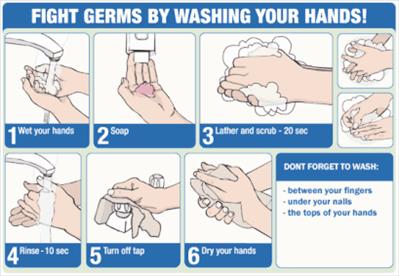
* WASH YOUR HANDS thoroughly after using the bathroom or changing
diapers and before preparing or eating food.
* COOK meats thoroughly. Ground beef and meat that has been needle-tenderized
should be cooked to a temperature of at least 160F/70C.
* PREVENT cross contamination in food
preparation areas by thoroughly washing hands, counters, cutting boards, and
utensils after they touch raw meat. |