|
 |
|
|
|
|
|
|
|
Issue: 1136 Date: 5/31/2012
Become A Fan, Like St. Louis Chinese American News


|
|
Q: I have been hearing about outbreaks of ecoli. What is ecoli and how does it make people ill?
ARFT (Asian Restaurant Task Force) Playing it Safe - Health Department Tips
|
|
|
| 請您關注和惠顧聖路易時報的廣告客戶,並向朋友推薦聖路易時報,感謝您的支持! |
|
|
|
 |
|
|
|
|
Q: I have been hearing about outbreaks of ecoli. What is ecoli and how does it make people ill?
A: Escherichia coli (E. coli) bacteria normally live in the intestines of healthy people and animals. Most varieties of E. coli are harmless or cause relatively brief diarrhea. But a few particularly nasty strains, such as E. coli O157:H7, can cause severe abdominal cramps, bloody diarrhea and vomiting.
You may be exposed to E. coli from contaminated water or food - especially raw vegetables and undercooked ground beef. E. coli O157:H7 is most commonly found in cows, although chickens, deer, sheep, and pigs have also been known to carry it. Meat becomes contaminated during slaughter, when infected animal intestines or feces come in contact with the carcass. Ground or mechanically tenderized meats are considered riskier than intact cuts of meat because E. coli bacteria, can be mixed throughout the meat in the grinding process or during tenderization.
Other foods that sometimes become contaminated with E. coli bacteria include unpasteurized milk and cheese, unpasteurized juices, alfalfa and radish sprouts, lettuce, spinach, and water. However, any food is at risk of becoming contaminated with E. coli through cross-contamination. One can also get E. coli bacteria from contact with feces of infected animals or people.
Healthy adults usually recover from infection with E. coli O157:H7 within a week, but young children and older adults can develop a life-threatening form of kidney failure called hemolytic uremic syndrome (HUS). Hemolytic Uremic Syndrome, or HUS, follows around 10 percent of E. coli O157:H7 infections. HUS occurs when Shiga toxins get into the bloodstream and cause the part of the kidney that filters toxins out of the blood to break down, causing kidney injury and sometimes kidney failure. Some HUS patients also suffer damage to the pancreas and central nervous system impairment.
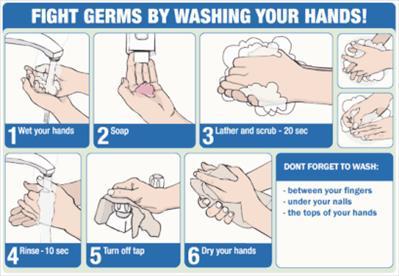
To reduce risk of an E. coli outbreak at your food establishment:* Employees are to wash hands thoroughly after going to the bathroom* Wash all fruits and vegetables before serving* Avoid cross contamination by not allowing raw meats to come into contact with other ready to eat foods* Do not allow ill employees to handle food products. Have a written employee health policy.* Make sure all animal food products reach the appropriate final cooking temperatures
Q: How do I contact the Health Department and ARTF?
A: For more information on restaurant inspections, restaurant licensing, or food safety in general, please contact Saint Louis County Department of Health at 314-615-8900 or food.doh@stlouisco.com.
For ARTF (Asian Restaurant Task Force), please contact St. Louis Chinese American News at 314-432-3858, editor@SCANews.com or http://www.scanews.com/artf/ |
|
|
|


