|
 |
|
|
|
|
|
|
|
Issue: 1188 Date: 5/30/2013
Become A Fan, Like St. Louis Chinese American News


|
|
The Cuisine of HangZhou |
|
|
| 請您關注和惠顧聖路易時報的廣告客戶,並向朋友推薦聖路易時報,感謝您的支持! |
|
|
|
 |
|
|
|
|
By Lisa Hu
Hangzhou has long been considered a paradise city in China, praised for its
myriad canals and waterways, lush rolling willows, fragrant fields of Longjing
tea, spectacular pagodas, temples and pavilions, and, of course, the classical
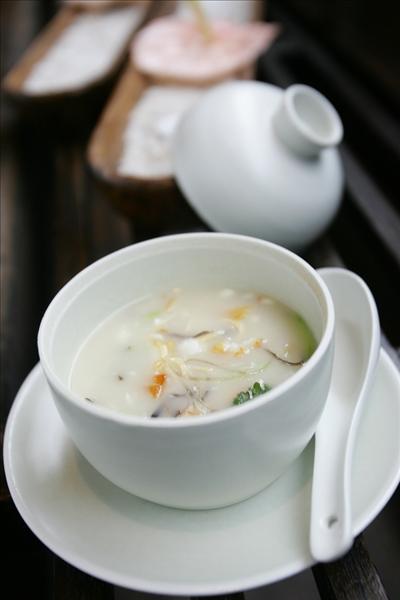
beauty of it's centerpiece the famous West Lake. The Cuisine of HangZhou is
characterized by a delicately seasoned, light-tasting mix of seafood and
vegetables, often served in soup. Sometimes lightly sweetened or sweet-and-sour,
its dishes frequently involve cooked meats and vegetables in combination, and
always make use of special local ingredients, like the beloved bamboo shoots
that are stewed in peanut oil, cooked and eaten immediately after being dug up
from the ground in springtime. Other famous dishes include West Lake fish in
vinegar sauce, Dongpo pork, smoked beggar's chicken and fresh water shrimps
cooked with Longjing tea.
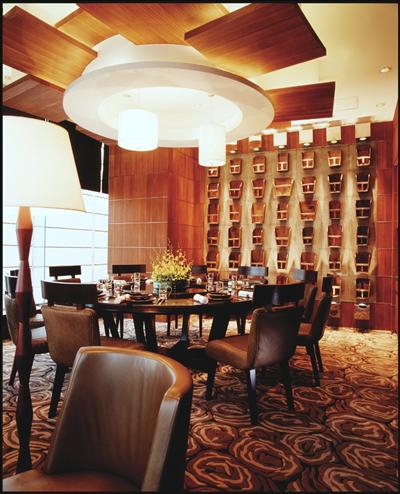
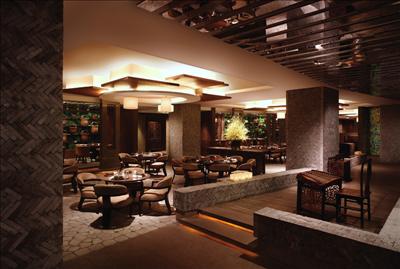
Located at 28 HuBin Road, on the lobby level is the signature Chinese restaurant
of the Hyatt Regency Hangzhou. It comprises of 3 distinctive components: the
area immediately encountered upon entering the restaurant, a walk-in wine cellar
and bar area, courtyard and balcony dining areas, and 7 private rooms. Unified
by its amalgamation of modern yet traditional residential interior design, a
home of a prominent trader who collects regional artifacts from around China, 28
HuBin Road presents a stylized interpretation of the traditional Chinese dining
experience which despite a distinctly contemporary feel, offers a sense of
authenticity second only to the array of local regional specialties made
available by its regional specialty Chefs. With the emphasis on the very best,
freshest ingredients, 28 HuBin Road's menu features uncomplicated, seasonal
dishes highlighted with classic dishes from the surrounding cities. Like
beggar's chicken, Longjing Shrimps, Dongpo Pork, Sweet and Sour Mandarin fish,
all of which are prepared by specialty Chefs from Hangzhou, Nanjing, Suzhou and
Wuxi. Meats, seafood and vegetables are prepared and cooked to perfection before
being served on traditional Chinese pottery platters. Distinguishing 28 HuBin
Road from other Chinese restaurants, a state of the art walk-in wine cellar
offers a wide selection of premium wines - focusing on the New World, to suit
even the most sophisticated palette.
The three Hangzhou dishes that I particular like are Dongpo pork, West lake Fish
in vinegar sauce and fresh water shrimps cooked with Longjing tea.
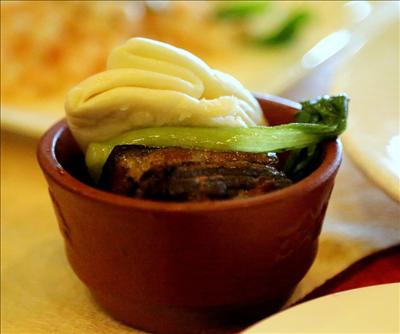
Dongpo Pork: By far the best known of all Hangzhou's specialties, Dongpo Pork
tastes far more appealing than it looks. This dish is made by steamling a square
chunk of belly pork until the fat turns into a gelatinous substance. The dish is
surprisingly free of oil. The name of the dish commemorates Hangzhou's great
poet-governor Su Dongpo.
West Lake Carp in Sweet Vinegar Sauce: It's wise to eat this dish slowly and
carefully, since the carp are quite bony and their white flesh make it difficult
to see the bones before they crunch between teeth or stick in the throat. But
once you master the skill to handle the bones, the dish is really delicious in
that you will be able to taste the flavor of really fresh fish that was alive a
few minutes ago.
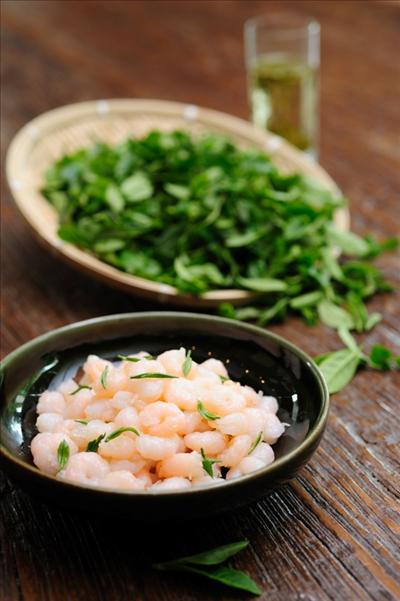
Baby Shrimp with Longjing Tea: The tasty stir-fried shrimp come from the river
into the wok, where they meet the famous tealeaves that are grown along the
shore. This dish has been prepared in the same fashion since the Qing Dynasty,
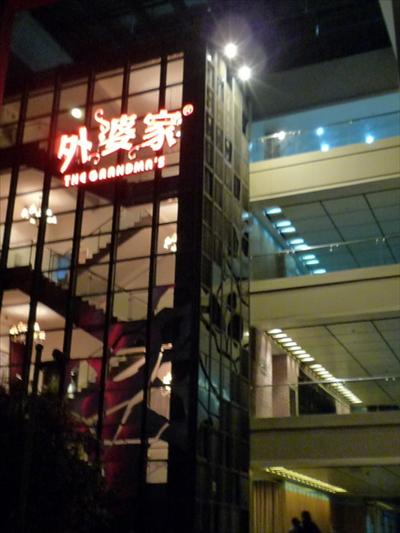
and the version at LouWaiLou restaurant is particularly good.
In Hangzhou, the scenery is so beautiful and the foods are so delicious. My
hometown is a paradise on the earth indeed. |
|
  |
|
|
  |
|
|
  |
|
|
 |
|
|
|
|


